


Le Sette Sorelle del Cilento
Il cammino Le Sette Sorelle del Cilento è un progetto di mobilità lenta riconosciuto a livello nazionale e finalizzato alla valorizzazione delle aree interne del Cilento. Il progetto è stato accolto nel Catalogo dei Cammini Religiosi del Ministero del Turismo ed è attualmente in fase di sviluppo e strutturazione a livello territoriale e regionale. Il percorso è già oggetto di attività di rilievo e sperimentazione sul territorio.
CONSULTA LA SCHEDA NEL CATALOGO MITUR
VIEW THE ROUTE IN THE MITUR CATALOGUE
ROUTENBESCHREIBUNG IM MITUR-KATALOG ANSEHEN
The “Seven Sisters of Cilento”
The “Seven Sisters of Cilento” walking route is a slow mobility project recognised at national level and aimed at enhancing the inland areas of the Cilento.
The project has been accepted into the Italian Ministry of Tourism’s Catalogue of Religious Routes and is currently under development and structuring at both territorial and regional levels.
The route is already the subject of on-site surveys and field testing activities.
Die sieben Schwestern des Cilento
Der Pilgerweg „Le Sette Sorelle del Cilento“ ist ein auf nationaler Ebene anerkanntes Projekt zur Förderung sanfter Mobilität und zur Aufwertung der ländlichen Gebiete im Landesinneren des Cilento. Das Projekt wurde in den Katalog der religiösen Pilgerwege des italienischen Tourismusministeriums aufgenommen und befindet sich derzeit auf lokaler und regionaler Ebene in der Entwicklungs- und Aufbauphase. Die Route wird bereits vor Ort erkundet, vermessen und erprobt.


Il Santuario nel paesaggio
Profilo altimetrico territoriale del Monte Gelbison, elaborato per evidenziare il rapporto tra Novi Velia, il rilievo montano e il Santuario della Madonna del Sacro Monte nel paesaggio cilentano. Elaborazione grafica su base altimetrica ottenuta tramite GPS Visualizer.
NThe Sanctuary in the landscape
A territorial elevation profile of Mount Gelbison, created to highlight the relationship between Novi Velia, the mountain landscape and the Sanctuary of Our Lady of the Sacred Mount within the Cilento area. Graphic elaboration based on elevation data generated through GPS Visualizer.
Das Heiligtum in der Landschaft
Geländeprofil des Monte Gelbison, erstellt zur Veranschaulichung der räumlichen Beziehung zwischen Novi Velia, dem Bergmassiv und dem Heiligtum der Madonna del Sacro Monte in der Landschaft des Cilento. Grafische Darstellung auf Grundlage von Höhendaten, die mithilfe von GPS Visualizer gewonnen wurde

Il cammino delle alture sacre tra paesaggio, identità e comunità
Il cammino Le Sette Sorelle del Cilento è uno dei percorsi emergenti di trekking nel Cilento, pensato per la valorizzazione delle aree interne e del turismo lento.
A path of sacred heights between landscape, identity and communities
The “Seven Sisters of Cilento” walking route is one of the emerging trekking routes in the Cilento area, designed to promote inland territories and sustainable slow tourism.
Der Weg der heiligen Höhen zwischen Landschaft, Identität und Gemeinschaft
Der Pilgerweg „Le Sette Sorelle del Cilento“ zählt zu den aufstrebenden Trekkingrouten im Cilento. Er wurde konzipiert, um die ländlichen Gebiete im Landesinneren aufzuwerten und den sanften Tourismus zu fördern.

🎥 Il progetto raccontato
Questo video racconta il progetto attraverso immagini, testimonianze e voci del territorio cilentano.
Crediti: Regia: Mario Marra - Testi e contributo teologico: Concepita Sica - Musiche: Tommaso Sollazzo, Domenico Germanò - Voce: Giovanna Germanò - Fotografie: Cristiano Giordano, Sandro Aloia - Opera pittorica: Rocco Cardinali (video realizzato nell’ambito della candidatura al Registro IPIC – Patrimonio Immateriale della Regione Campania)
🎥 The project in video: This video presents the project through images, testimonies and voices from the Cilento territory. Credits: Direction: Mario Marra - Texts and theological - ontribution: Concepita Sica - Music: Tommaso Sollazzo, Domenico Germanò - Voice: Giovanna Germanò - Photography: Cristiano Giordano, Sandro Aloia - Painting: Rocco Cardinali
(video produced within the framework of the IPIC Register application – Intangible Cultural Heritage of the Campania Region)
Das Projekt im Video: Dieses Video stellt das Projekt anhand von Bildern, Erfahrungsberichten und Stimmen aus dem Cilento vor.
Mitwirkende: Regie: Mario Marra – Texte und theologischer Beitrag: Concepita Sica – Musik: Tommaso Sollazzo, Domenico Germanò – Sprecherin: Giovanna Germanò – Fotografie: Cristiano Giordano, Sandro Aloia – Malerei: Rocco Cardinali (Das Video wurde im Rahmen des Antrags auf Aufnahme in das IPIC-Verzeichnis – Immaterielles Kulturerbe der Region Kampanien – produziert.)
Un progetto nel cuore del Parco Nazionale del Cilento
Il progetto intende valorizzare il territorio unendo cultura, paesaggio e tradizioni locali. L'iniziativa si sviluppa nel territorio del Parco Nazionale del Cilento, Vallo di Diano e Alburni, riconosciuto anche in ambito UNESCO con i siti di Paestum, Velia e la Certosa di Padula. Attraverso sette santuari mariani tra costa, colline e montagne, il percorso restituisce centralità alle aree interne e alle comunità che le abitano, promuovendo una fruizione lenta e consapevole del territorio.
A project in the heart of the Cilento National Park
The project aims to enhance the territory by bringing together culture, landscape and local traditions. It develops within the Cilento, Vallo di Diano and Alburni National Park, also recognised at UNESCO level through the sites of Paestum, Velia and the Certosa di Padula. Through seven Marian sanctuaries located between coast, hills and mountains, the project restores centrality to inland areas and local communities, promoting a slow and conscious way of experiencing the territory.
Ein Projekt im Herzen des Nationalparks Cilento
Das Projekt verbindet Kultur, Landschaft und lokale Traditionen, um das Gebiet aufzuwerten. Die Initiative erstreckt sich über das Gebiet des Nationalparks Cilento, Vallo di Diano und Alburni, der gemeinsam mit den Stätten Paestum, Velia und der Kartause von Padula zum UNESCO-Welterbe gehört. Der Weg verbindet sieben Marienheiligtümer zwischen Küste, Hügeln und Bergen. Er rückt die Gebiete im Landesinneren und die dort lebenden Gemeinschaften in den Mittelpunkt und fördert eine entschleunigte und bewusste Erkundung der Region.

Perché questo progetto è diverso
- collega sette santuari mariani su alture simboliche
- attraversa le aree interne del Cilento
- integra paesaggio, spiritualità e cultura
- valorizza borghi e identità locali
Why this project is different
-
it connects seven Marian sanctuaries located on symbolic heights
- it crosses the inland areas of Cilento
- it integrates landscape, spirituality and culture
- it enhances villages and local identities
Was dieses Projekt besonders macht
- Es verbindet sieben Marienheiligtümer auf Anhöhen von besonderer symbolischer Bedeutung.
- Es führt durch das Landesinnere des Cilento.
- Es vereint Landschaft, Spiritualität und Kultur.
- Es würdigt die historischen Dörfer und die lokalen Identitäten.
Un cammino in fase di definizione
Il cammino non è attualmente strutturato come percorso ufficiale e segnalato.
Il progetto prevede la realizzazione di un cammino che collegherà i sette santuari del territorio, attualmente in fase di studio e verifica attraverso attività di rilievo e analisi territoriale.
L’obiettivo è costruire un percorso strutturato, sicuro e coerente con il paesaggio e la storia dei luoghi.
Come raggiungere il territorio
Il territorio è accessibile sia da Nord che da Sud, attraverso le principali direttrici stradali e ferroviarie.
Da Nord.: Autostrada A2 (uscite Battipaglia/Eboli), quindi SS18 verso Capaccio Paestum.
Stazioni ferroviarie: Battipaglia, Capaccio Paestum.
Da Sud: Direttrice Sapri–Policastro Bussentino con accesso all’area del Golfo di Policastro.
Stazioni ferroviarie: Sapri, Ascea.
Aeroporto: Salerno – Costa d’Amalfi (Pontecagnano).
A path under development
The path is currently not structured as an official and signposted route.
The project envisages the creation of a walking route connecting the seven sanctuaries of the territory, currently under study and verification through surveying and territorial analysis activities.
The objective is to build a structured, safe route consistent with the landscape and historical context.

Un viaggio nel Cilento più autentico
Dalla costa alle montagne, dai paesaggi collinari ai massicci del Cervati e del Gelbison, il progetto consente una lettura del territorio attraverso un’esperienza lenta e consapevole, tra natura, storia e spiritualità.
A journey into the most authentic Cilento
From the coast to the mountains, from hilly landscapes to the Cervati and Gelbison massifs, the project offers a way to understand the territory through a slow and conscious experience, combining nature, history and spirituality.
Eine Reise in das authentische Herz des Cilento
Von der Küste bis zu den Bergen, von den Hügellandschaften bis zu den Bergmassiven des Cervati und des Gelbison eröffnet das Projekt einen Zugang zur Region durch ein entschleunigtes und bewusstes Erleben von Natur, Geschichte und Spiritualität.

Un progetto in crescita
Il progetto è inserito nel Catalogo dei Cammini Religiosi del MITUR (Ministero del Turismo) ed è attualmente oggetto di sviluppo e valorizzazione territoriale.
Sono in corso attività di studio e strutturazione del percorso, con l’obiettivo di realizzare un’infrastruttura culturale stabile e riconoscibile.
Il marchio “Le Sette Sorelle del Cilento” è stato depositato ed è in fase di registrazione.
A growing project
The project is included in the Catalogue of Religious Routes and is currently undergoing development and territorial enhancement.
Activities are ongoing to study and structure the route, with the aim of creating a stable and recognisable cultural infrastructure.
The trademark “Le Sette Sorelle del Cilento” has been filed and is currently under registration.
How to reach the area
The territory is accessible from both North and South via the main road and railway connections.
From the North: A2 motorway (Battipaglia/Eboli exits), then SS18 towards Capaccio Paestum Railway stations: Battipaglia, Capaccio Paestum
From the South: Sapri–Policastro Bussentino route, with access to the Gulf of Policastro area
Railway stations: Sapri, Ascea
Airport: Salerno – Costa d’Amalfi Airport (Pontecagnano)
Anreise in die Region
Die Region ist sowohl von Norden als auch von Süden über die wichtigsten Straßen- und Bahnverbindungen erreichbar.
Von Norden: Autobahn A2 (Ausfahrten Battipaglia/Eboli), anschließend über die SS18 in Richtung Capaccio Paestum.
Bahnhöfe: Battipaglia, Capaccio Paestum.
Von Süden: Über die Verkehrsachse Sapri–Policastro Bussentino mit Zugang zum Gebiet des Golfs von Policastro.
Bahnhöfe: Sapri, Ascea.
Flughafen: Salerno – Costa d’Amalfi (Pontecagnano).


in Projekt in Entwicklung
Das Projekt ist im Katalog der religiösen Pilgerwege des MITUR (italienisches Tourismusministerium) verzeichnet und wird derzeit weiterentwickelt, um das kulturelle und landschaftliche Potenzial der Region zu erschließen.
Die Route wird derzeit untersucht und ausgearbeitet, mit dem Ziel, eine dauerhafte und klar erkennbare kulturelle Infrastruktur zu schaffen.
Die Marke „Le Sette Sorelle del Cilento“ wurde zur Eintragung angemeldet; das Registrierungsverfahren läuft derzeit.
Ein Pilgerweg in der Planungsphase
Der Pilgerweg ist derzeit noch nicht als offizielle und ausgeschilderte Route eingerichtet.
Das Projekt sieht die Entwicklung eines Weges vor, der die sieben Heiligtümer der Region miteinander verbinden wird. Die Route wird derzeit durch Geländeaufnahmen und räumliche Analysen untersucht und überprüft.
Ziel ist es, einen klar angelegten und sicheren Weg zu schaffen, der sich harmonisch in die Landschaft und die Geschichte der Orte einfügt.
Artigianato tradizionale cilentano
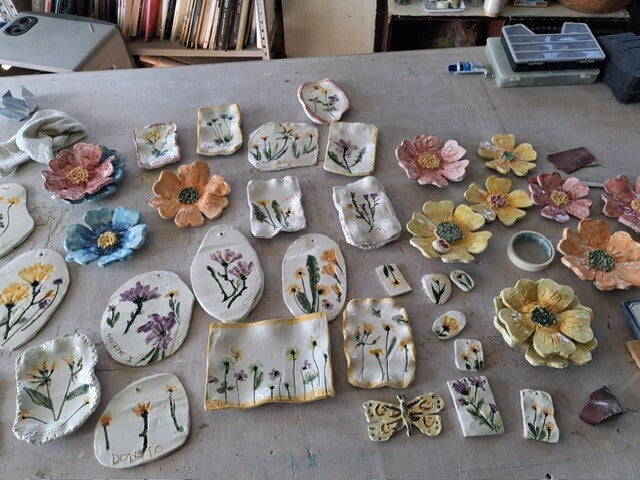
Artigiano locale impegnato nella realizzazione di un cesto tradizionale con materiali raccolti nei boschi del territorio. Il racconto, in dialetto cilentano, testimonia pratiche manuali e saperi legati alla cultura delle aree interne attraversate dal cammino. Manufatti in ceramica realizzati da bambini del territorio, espressione di attività educative e creative legate alla valorizzazione delle tradizioni locali.
Traditional Cilento Craftsmanship
Local artisan crafting a traditional basket using materials gathered from the surrounding woodlands. The narration, in the Cilento dialect, reflects traditional skills and local knowledge rooted in the inland communities crossed by the walking route. Ceramic crafts made by local children, reflecting educational and creative activities connected to local traditions.
Traditionelles Handwerk des Cilento
Ein lokaler Handwerker fertigt einen traditionellen Korb aus Materialien, die in den Wäldern der Region gesammelt wurden. Seine Erzählung im Dialekt des Cilento zeugt von handwerklichen Praktiken und überliefertem Wissen, die zur Kultur der vom Pilgerweg durchquerten Gebiete im Landesinneren gehören.
Keramikarbeiten von Kindern aus der Region – Ausdruck pädagogischer und kreativer Aktivitäten zur Pflege und Wertschätzung lokaler Traditionen.